
Cybersecurity for Dental Practices: Protect Data & Ensure Compliance
As dental practices move more of their operations online, protecting patient information has become a core part of quality care. Cybersecurity isn’t just an IT issue — it’s about maintaining patient trust, keeping your practice running, and meeting legal obligations. This article explains why dental clinics are attractive targets for cybercriminals, what common threats look like, and practical steps you can take to secure data, stay compliant, and reduce downtime. We cover threat drivers, effective protection strategies, key Canadian compliance rules, essential technical solutions, staff training, and the business benefits of a strong security posture.
Why dental practices are attractive targets for cybercriminals
Dental clinics hold a mix of personal, financial and health data, often stored in digital records — a valuable combination for attackers. Limited IT budgets, inconsistent security practices, and growing use of cloud and remote services increase exposure. Put simply: sensitive data + more connectivity + uneven defenses = higher risk.
Which cyber threats most affect dental offices?
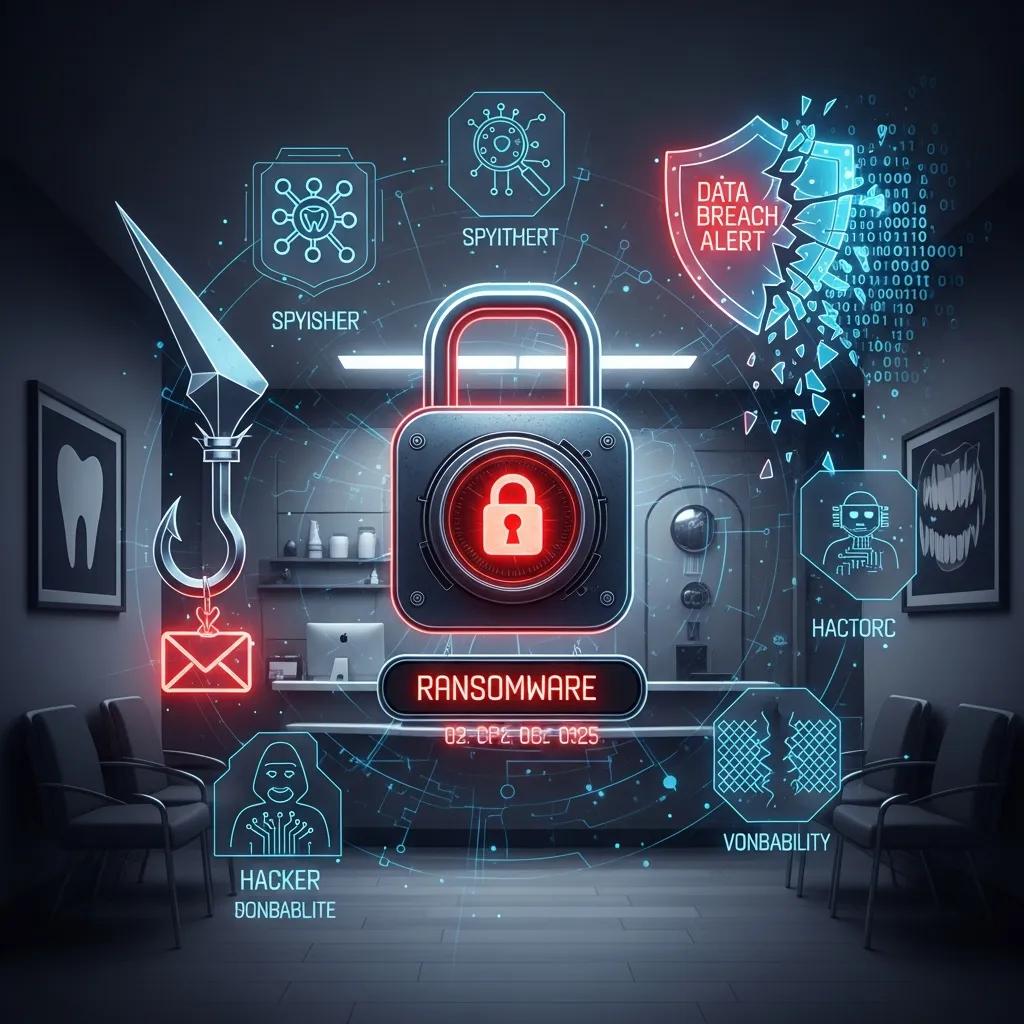
Dental practices commonly face ransomware, phishing and data breaches. Ransomware can lock you out of patient charts and practice systems until a ransom is paid. Phishing scams target staff with deceptive emails to harvest credentials or install malware. Data breaches expose protected health information, creating regulatory and reputational fallout. Recent reports indicate nearly 40% of dental practices have experienced some form of cyber incident — a clear signal to act now.
How does digital transformation increase vulnerabilities in dentistry?
The move to electronic health records (EHRs), cloud backups, online booking and telehealth improves care but also widens the attack surface. Each connected system — if not correctly configured and monitored — can be an entry point. Securing these technologies from day one prevents small oversights from becoming major breaches as your practice digitizes.
How dental practices can effectively protect sensitive patient data
Protecting patient information starts with practical, proven controls. Combining strong technical measures with clear policies and staff awareness reduces risk and supports quick recovery if something goes wrong.
What are best practices for data encryption and secure cloud backup?
Encrypt data at rest and in transit so intercepted information remains unreadable without the key. Use reputable cloud providers that offer encryption and proven security controls, and configure backups to be immutable where possible. Regularly test restores so you can recover quickly after an incident and keep downtime to a minimum.
How do access controls and data loss prevention safeguard ePHI?
Limit access to electronic protected health information (ePHI) by assigning user permissions based on roles and enforcing multi-factor authentication. Data loss prevention (DLP) tools help detect and block unauthorized transfers of sensitive files. Together, they reduce accidental exposure and make it harder for attackers to move data once inside your network.
What are the key regulatory compliance requirements for dental offices in Canada?
Compliance keeps patient data safe and helps avoid fines or legal action. In Canada, dental practices must follow provincial and federal privacy rules that govern how personal and health information is collected, stored and shared.
How do HIPAA, PIPEDA, and PHIPA apply to dental practices?
Canadian practices primarily follow PIPEDA and, where applicable, provincial laws such as PHIPA in Ontario. Practices that operate across the border or handle U.S. patient data may also need to meet HIPAA requirements. Meeting these standards means implementing documented security measures, conducting risk assessments, and training staff on privacy and breach reporting obligations.
What are the steps for compliance audits and risk assessments?
Start with a documented inventory of assets and data flows, then run a formal risk assessment to identify vulnerabilities and potential impacts. Follow up with remediation plans, periodic audits, and documentation of controls and training. Regular reassessment ensures your security keeps pace with changes in technology and regulation.
Which cybersecurity solutions are essential for dental clinics?
Choose solutions that match the size and complexity of your practice, with an emphasis on prevention, detection and fast recovery.
How do managed IT services enhance dental cybersecurity?
Managed IT providers bring expertise in monitoring networks, detecting threats and responding to incidents — without hiring full-time specialists. They can maintain patching, backups, security configurations and incident response plans so your team can focus on patient care while the technical heavy lifting is handled by experienced professionals.
What network security measures protect dental practice systems?
Firewalls, intrusion detection/prevention systems, secure Wi‑Fi segmentation, and VPNs for remote access are foundational. Combine those with endpoint protection, timely patch management, and continuous monitoring to detect suspicious activity early and limit the blast radius of any intrusion.
How can dental staff training improve cybersecurity awareness?
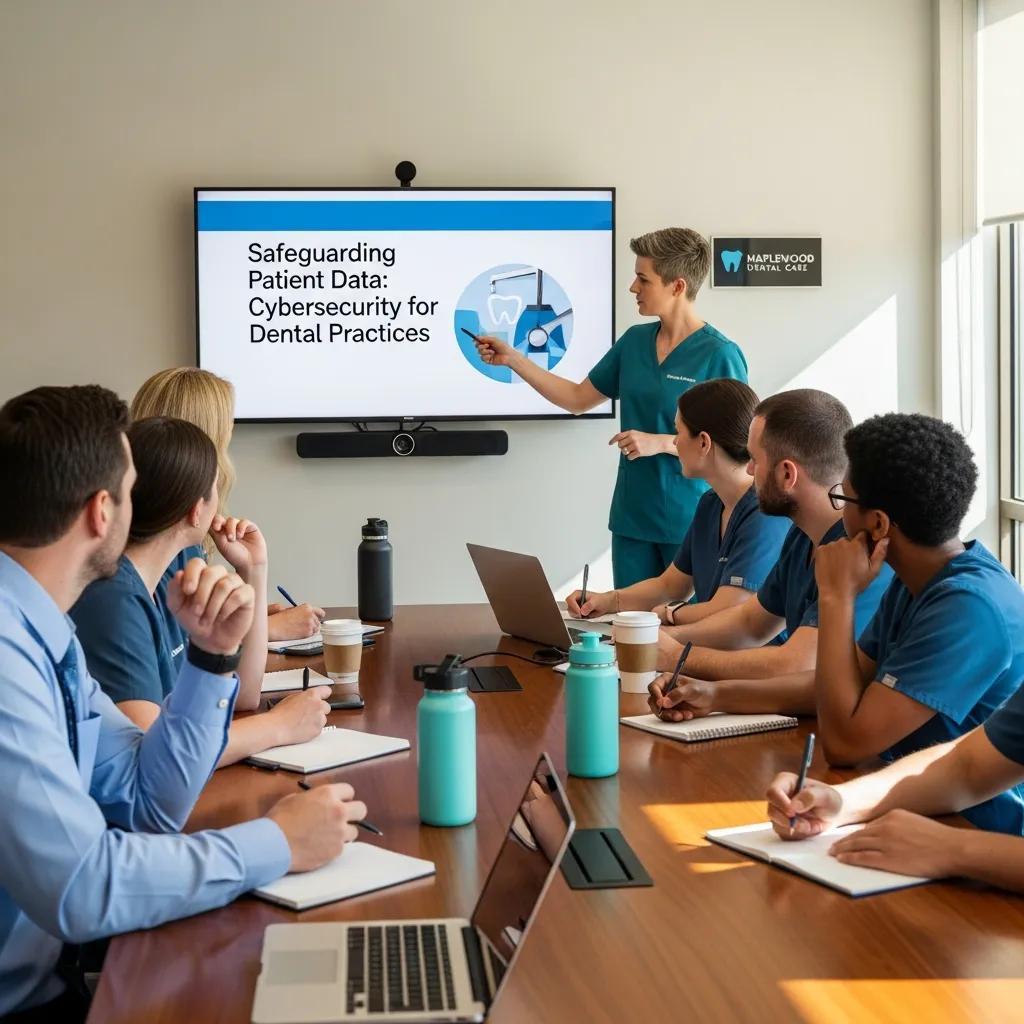
People remain the most important defense. Regular training helps staff recognise scams, follow secure practices and act quickly when something looks wrong. Make training practical and role-specific so it’s relevant to everyday tasks.
What are effective cybersecurity awareness training strategies for dental teams?
Combine periodic workshops with bite-sized online modules and simulated phishing campaigns to reinforce learning. Focus on real-world examples that match staff responsibilities — reception, billing, clinical records — and provide clear, simple steps to report suspected issues.
How do strong password policies and incident response plans reduce risks?
Require complex passwords, use password managers, and enable multi-factor authentication to reduce credential theft. Have a written incident response plan that defines roles, contains checklists for containment and recovery, and explains notification steps for patients and regulators. Practicing the plan annually keeps everyone ready.
What are the benefits and ROI of robust cybersecurity for dental practices?
Good cybersecurity protects patients and the business. Beyond avoiding fines and recovery costs, it preserves reputation, reduces downtime, and can even be a competitive advantage when patients see you take privacy seriously.
How does cybersecurity build patient trust and protect reputation?
When patients know you safeguard their information, they feel safer sharing sensitive details and are likelier to stay with your practice. Clear communication about your security practices demonstrates professionalism and reassures current and prospective patients.
What is the financial impact of preventing data breaches and downtime?
The direct costs of a breach — recovery, legal fees, possible fines — are often far higher than the investment required for preventative measures. Fast recovery also limits lost revenue from interrupted operations. In short, prevention and preparedness typically deliver a strong return on investment.
| Cybersecurity Measure | Description | Benefit |
|---|---|---|
| Managed IT Services | Outsourced IT management, monitoring and support | Proactive threat detection and faster incident response |
| Data Encryption | Encodes sensitive data so it’s unreadable without keys | Protects patient confidentiality even if data is breached |
| Access Controls | Role-based permissions and multi-factor authentication | Limits who can view or export sensitive information |
Frequently Asked Questions
What are the common signs that a dental practice has been compromised by a cyber attack?
Watch for slow or unpredictable system behaviour, unexplained account lockouts, files that have been encrypted or altered, and unusual network traffic. Staff receiving odd emails or seeing unexpected prompts can also signal compromise. Any sudden billing errors or patient complaints about access to records should be investigated promptly.
How often should dental practices conduct cybersecurity training for their staff?
At minimum, train staff once a year and provide refreshers when you introduce new systems or after an incident. Quarterly quick updates, short microlearning sessions, and periodic simulated phishing tests help keep awareness high without overloading the team.
What role does patient education play in dental cybersecurity?
Educating patients helps reduce risks from the patient side — for example, encouraging secure communication channels and explaining how you’ll contact them about health information. Clear guidance about avoiding suspicious links and protecting personal login details supports a shared approach to security.
What should a dental practice do immediately after discovering a data breach?
Act quickly to contain the incident — isolate affected systems, preserve logs and evidence, and follow your incident response checklist. Notify leadership, engage your IT or managed security partner, and inform affected patients and regulators as required by law. Then focus on recovery, communication and improving controls to prevent recurrence.
How can dental practices ensure compliance with evolving cybersecurity regulations?
Stay informed through industry associations, legal counsel and your IT/security partners. Schedule regular audits and risk assessments, keep documentation of policies and training, and update controls as regulations change. Engaging specialists for periodic reviews helps ensure you meet current requirements.
What are the potential consequences of not investing in cybersecurity for dental practices?
Without adequate security, practices face the risk of data breaches that harm patients and lead to fines, legal costs, reputational damage and lost revenue from interrupted operations. Long-term trust erosion can reduce patient retention and growth — making cybersecurity an essential, not optional, investment.
Conclusion
Strong cybersecurity is a practical part of patient care. By combining encryption, access controls, staff training and the right technical partners, dental practices can protect patient data, meet regulatory requirements and reduce costly downtime. If you’re ready to strengthen your practice’s security, explore our tailored cybersecurity solutions and practical support options to get started today.