
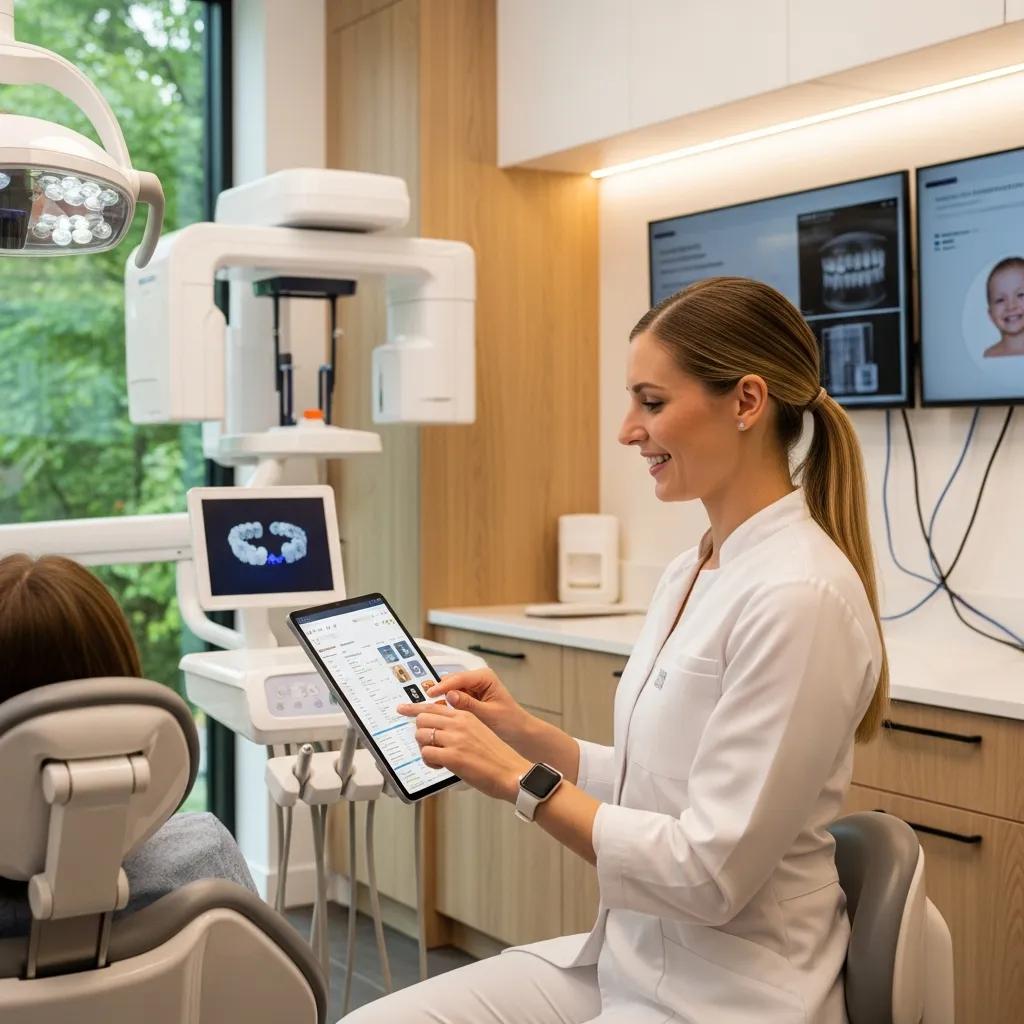
Dental Clinic IT System Upgrades for Enhanced Efficiency & Security
A well-managed IT upgrade for a dental clinic is a planned, low‑disruption process that updates infrastructure, practice software, and security controls so clinical teams spend less time troubleshooting and more time with patients. When upgrades target efficiency, security, and compliance together, clinics cut administrative overhead, protect patient health information (PHI), and smooth clinical workflows for imaging, charting, and practice management.
Experts increasingly point to automation as a practical way to keep compliance controls current and protect patient data without adding day‑to‑day burden.
Automating HIPAA Compliance & Data Security in Healthcare
As regulatory requirements grow more complex, healthcare providers need smarter ways to keep patient data private and records accurate. Manual compliance processes are slow and error prone; automation reduces risk and delivers continuous oversight. By combining AI-driven monitoring, robotic process automation (RPA), and advanced analytics, organizations can track and report compliance in near real time. Tools such as automated audits, live reporting dashboards, and security information and event management (SIEM) systems help surface potential breaches before they escalate and make audit documentation easier to assemble and review.
Automating Compliance in Healthcare: Tools and Techniques You Need, VVR Boda, 2021
This article explains why upgrades matter, how an audit‑first approach shapes planning, and what clinics can expect at each stage of the upgrade journey.
Frequently Asked Questions
What are the key benefits of upgrading IT systems in dental clinics?
Upgrading IT systems brings faster workflows, better patient experiences, and stronger security. Modern software reduces repetitive admin tasks so staff can focus on patients. Updated systems also make it easier to meet standards like HIPAA, lowering breach risk and reinforcing patient trust.
How often should dental clinics consider IT system upgrades?
We recommend reviewing systems every 3–5 years, though timing depends on your practice’s needs and regulatory changes. Regular assessments reveal performance gaps, security vulnerabilities, and opportunities to adopt tools that improve care and efficiency.
What challenges might clinics face during an IT system upgrade?
Common issues include temporary downtime, user resistance to new tools, and data migration hurdles. Minimizing patient impact requires careful planning, clear communication, and focused training. Anticipating these challenges and scheduling phased rollouts helps ensure a smooth transition.
What role does automation play in IT upgrades for dental clinics?
Automation reduces repetitive work and strengthens compliance. Automated patient records, billing workflows, and scheduling cut errors and free staff time. Continuous monitoring tools also flag potential compliance issues so you can address them proactively.
How can clinics ensure data security during an IT upgrade?
Protect data by following a layered security plan: encrypt sensitive information, enforce access controls, perform backups, and run security audits before and after migration. Use secure transfer methods for data migration, train staff on best practices, and work with IT partners experienced in healthcare environments.
What technologies should dental clinics prioritize in their IT upgrades?
Focus on systems that directly improve care and operations: electronic health records (EHR), practice management software, imaging integration, and telehealth where appropriate. Equally important are cybersecurity measures—next‑generation firewalls, intrusion detection, and SIEM—and analytics tools that help you make informed decisions.
Conclusion
Upgrading your clinic’s IT stack boosts efficiency, strengthens patient care, and reduces compliance risk. Thoughtful, audit‑led upgrades streamline workflows and protect PHI, helping you build patient trust and future‑proof your practice. Learn how our tailored IT solutions can support a low‑risk upgrade that fits your clinic’s schedule and goals.